20 Definitive Facts For Choosing Floor Installation
Wiki Article
Nail Up Vs. Glue Down. Floating Hardwood Explained
If you ask three flooring contractors in Philadelphia the best way to have hardwood installed and you may get three different answers -- not because any of them are correct, but because the right method of installation will depend on the particulars of your home. The subfloor's type, flooring's thickness, the species, the climate as well as your long-term plans regarding the space all go into the choice. Many homeowners only discover this after the fact This is why it's important to be aware of the differences prior to obtaining estimates. The following is how each technique actually operates and when each is sensible.
1. Nail-Down is the Standard for Solid Hardwood
Nail-down installation -- sometimes referred to as staple-down fixing each plank of hardwood to a wooden subfloor using an pneumatic nailer. This is the oldest method of installation that is still the standard method for installing solid hardwood in Philadelphia homes with hardwood or OSB subfloors. The connection is firm, the floor feels solid beneath your feet as there's no glue to fail over time. Most flooring contractors will default to nailing down solid hardwood over subfloors made of above-grade wood without second thought.
2. Your Subfloor Determines Whether Nail-Down is a viable option at all.
For nail-down wood, you need a hardwood subfloorand a full stop. Concrete slabs, that are found in basements as well, as in some ground floor parts of Philadelphia homes and Delaware County ranches, cannot accommodate staples or nails in any meaningful way. If the subfloor is made of concrete nail-down cannot be put on the table, regardless of the flooring material you'd like to install. A flooring contractor who is licensed will spot this issue immediately on a on-site visit, however an unexperienced one may not recognize it until the project has started.
3. Glue-Down Opens Up Concrete Slab Installations
The glue-down hardwood installation involves a full-spread glue that is glued to the subfloor before planks are applied to the floor. It's the best option when you're looking to install real hardwood over concrete, like basements in Montgomery County colonials, ground-floor slabs in modern South Jersey construction, or any area where nail-down isn't feasible. Done correctly, a glue-down floor is extremely rigid and is extremely rigid. The drawback is that removing it from the floor is considerably more time-consuming than pulling up a nailed and floating flooring.
4. Floating Hardwood Doesn't connect to the Subfloor at all
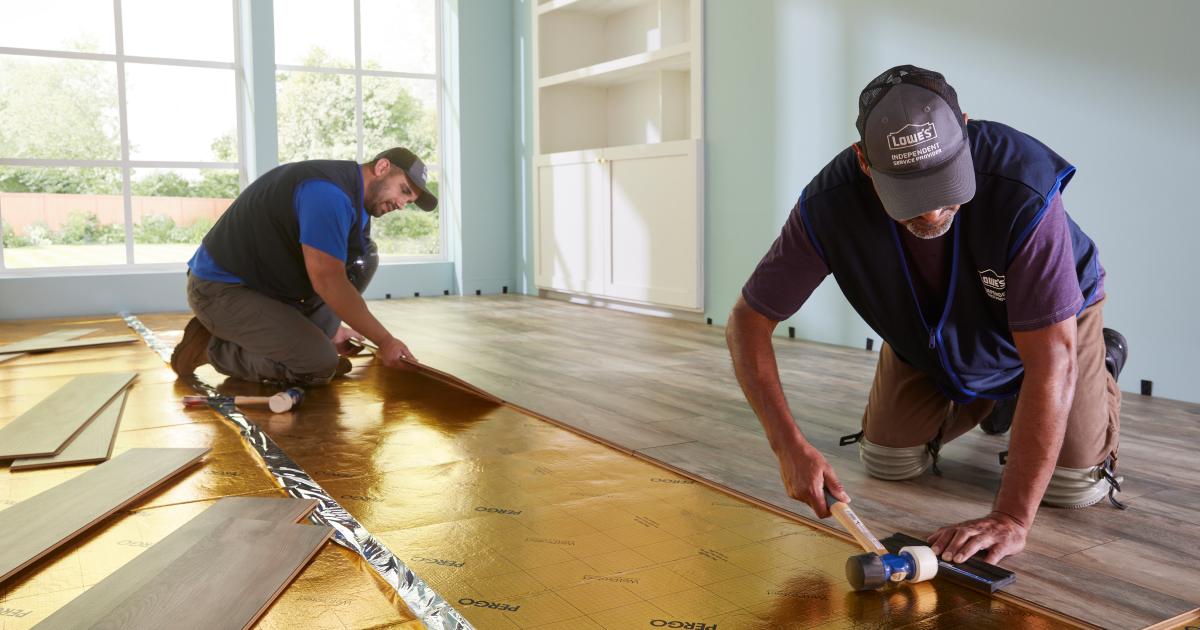
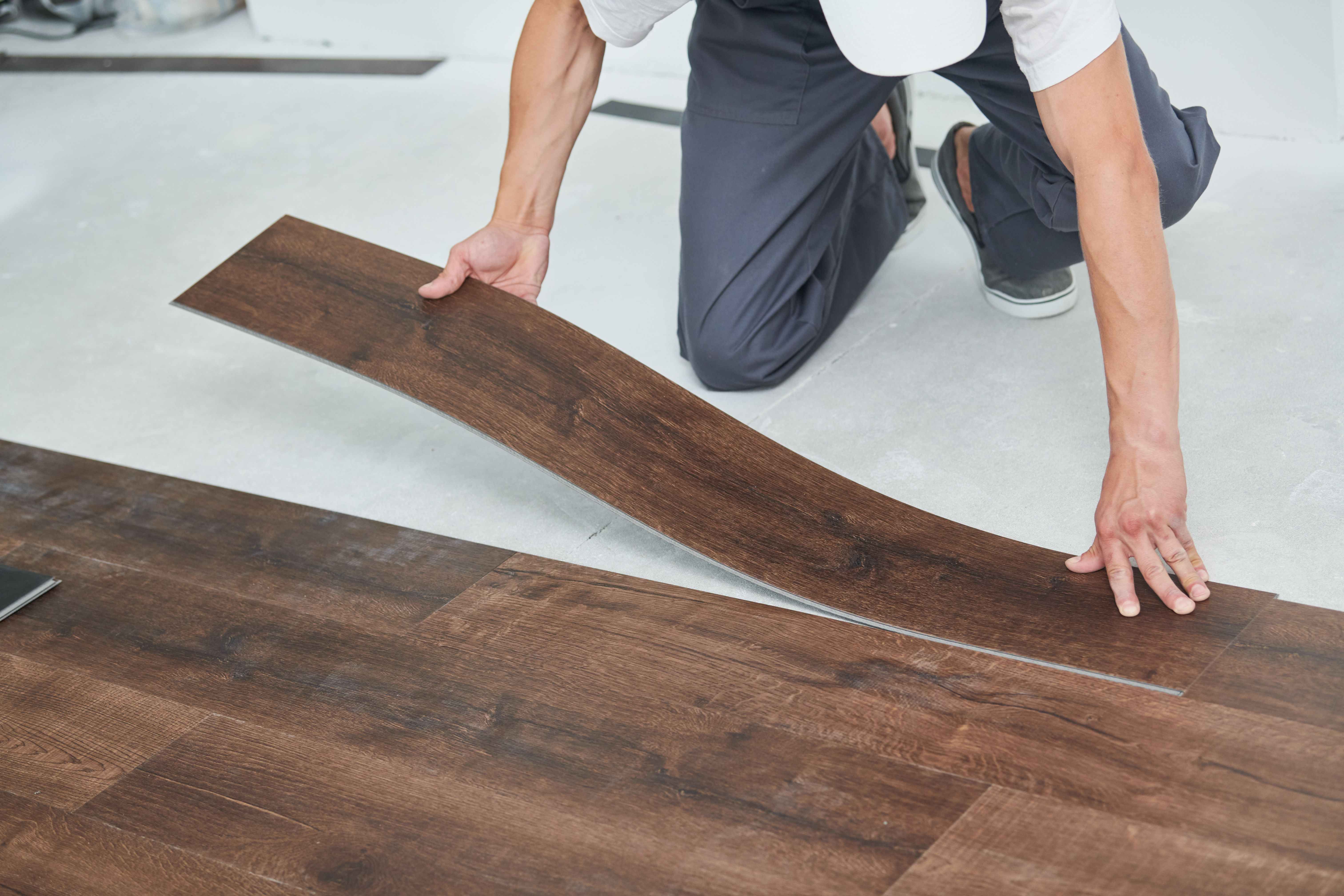
Floating installation refers to the fact that the planks join at the edges and sit on the subfloor's surface as one surface that moves as a whole instead of being fixed in place. It's more convenient to set up, simpler to remove, and better able to withstand subfloor imperfections than nail-down. Engineered wood is the most commonly used option for floating installations in Philadelphia due to its layers. Its structure is able to handle any slight movement that is associated with a floating arrangements better than solid wood.
5. Floating floors offer a distinctive Feel underfoot
This is something showroom visits do not always convey. Floating hardwood exhibits a slight effect when you walk on it. It's not dramatic and not noticeable compared with the nail-down flooring which is tied onto the subfloor. Most homeowners find it a minor issue. Some, in particular those moving from nail-down wood flooring, it's a process of adjustments. If this is an issue for you have a flooring expert ask for an un-planted floor before taking a decision.
6. Nail-Down Costs the Most Labor cost of all three
From a simple installation point of view nail-down hardwood will require longer and requires more skill which is reflected in those labor quotes you'll receive from Philadelphia flooring contractors. Subfloors must be clean, flat, and properly thick. It is essential to acclimatize the planks. Nailers must use a careful method to avoid splitting. Flooring installers who do nail-down properly are earning their money. If you're presented with a inexpensive hardwood installation estimate consider asking which method they'll use to fasten it.
7. Glue-Down is a Material Cost, but also saves some labor Variables
Adhesive costs a lot, and glue-down applications require the right adhesive that's appropriate for the particular hardwood and subfloor combination. But, glue-down installations over a concrete slab properly prepared will move more quickly than nail-down over a subfloor that needs substantial repair. Flooring contractors from Bucks County and Delaware County typically recommend glue down for engineered hardwood for slab-on-grade homes especially because it can combine real natural wood look with practical installation advantages.
8. It is recommended to conduct a moisture test prior to the method chosen is even considered.
This process is frequently skipped on budget-friendly jobs, and results in problems within a year. Concrete slabs are known to emit moisture-vapor and excessive moisture could cause the glue-down to fail in floating floors and cause them to break. Wood floors in older Philadelphia rowhomes may be prone to an elevated level of moisture from crawlspaces, or poor ventilation. An accurate moisture measurement prior to installation isn't an option -it's how a skilled flooring installer determines what technique is safe, and what preparatory job is needed before.
9. Refinishing Compatiblity Vary based on Method
Nail-down solid hardwood is typically able to be sanded a few times over its lifespanthis is one of the main arguments in favor of it despite the higher cost of installation. In general, engineered hardwood with glue down can be refinished once or twice according to the wear layer thickness. A floating engineered wood might offer a limited refinishing opportunity. If a long-term plan for wood floor repair is part of your strategy you should consider this into your method decision before installation, not after.
10. The best method is a Site Decision, Not a Preference Choice
Homeowners may attend the flooring consultation with an conception of the method they'd like. Experienced flooring installers in Philadelphia will help to redirect the discussion towards what the particular home's design actually enables. The most skilled flooring installers aren't soliciting a certain way of doing things -They're taking a look at your subfloor, your moisture levels and floor level in addition to your species of wood, and will recommend accordingly. This type of site-specific analysis is what separates licensed professionals from someone with nailers. Take a look at the best
hardwood floor resurfacing Philadelphia for website recommendations including floor installation Delaware County PA, affordable flooring installation Philadelphia, flooring installers Philadelphia, engineered hardwood installation Philadelphia, best flooring contractors Philadelphia, flooring installation Montgomery County PA, porcelain tile installation Philadelphia, custom hardwood staining Philadelphia, waterproof flooring installation Philadelphia, laminate floor contractors Philadelphia and more.
Serves Bucks, Montgomery & Delaware County How To Serve Bucks, Montgomery & Delaware County?
Homeowners in the Philadelphia suburbs often assume that flooring contractors working in the city will not travel, either, or local County contractors are the better call for work in their area. It's not so simple. The top flooring companies in the region can be found with Philadelphia, Bucks County, Montgomery County, Delaware County and even into South Jersey because the demand across the metro area is interconnected, and the housing stock shares enough common characteristics to make regional expertise truly valuable. What's distinct between these areas the types of housing, the era of construction, subfloor conditions as well as neighborhood aesthetics is worth knowing prior to start removing names of contractors from your search results, and believing that the geography alone is a reliable quality filter.
1. Each County Has Its Own Dominant Housing Profile
Bucks County skews toward older town housing in towns like Doylestown and Bristol alongside the newer suburbanization further north. Montgomery County mixes mid-century colonials and ranches with affluent Main Line properties that have distinct plans for renovation. Delaware County has dense inner-ring suburbs with older rowhome-adjacent residential stock close to the city moving to more spread-out residential when you move west. These distinctions affect flooring because the subfloor's condition, construction methods, as well as the moisture profiles vary meaningfully by area and time of constructioncontractors who are familiar with the area can recognize these patterns without needing them explained.
2. Subfloor conditions vary significantly across the County
Some older Delaware County homes close to the Philadelphia border (e.g. Darby, Upper Darby, Lansdowne are often occupied by the same diagonal board subfloor and moisture problems prevalent in city rowhomes. Bucks County properties further from the urban core generally have improved subfloor conditions for newer construction, but are more prone to moisture issues in older properties that are near that Delaware River. Some Montgomery County Main Line homes are often built with original hardwood over subfloors that haven't been touched in 60 years. Flooring contractors who have worked extensively across the three counties understands these patterns and charges in line with them, rather than being shocked halfway through the job.
3. Hardwood Flooring Expectations Run to the Main Line
The Montgomery County's Main Line corridor -- Bryn Mawr, Haverford, Wayne, Ardmore -- has a culture of renovation where the expectations for hardwood flooring are particular. Homeowners in these regions often request wide plank white oak along with custom staining which is tailored to millwork and cabinetry, as well as refinishing work that is up to a high aesthetic standard. Flooring contractors who provide Montgomery County regularly understand that the bar for quality finish for these markets is higher than in a standard suburban home, and so they have their equipment and staff accordingly.
4. Bucks County's Construction Newer Creates Different Installation Conditions
Newer developments for residential construction located in Bucks County -- particularly in Warminster, Horsham, and areas further to the north generally have open-plan layouts that include bigger square footage, slab-on-grade construction in some areas, and subfloors that are generally in better condition than earlier houses in the county. LVP flooring is especially suitable for newer Bucks County homes: the larger square footage benefits from LVP's economic efficiency, the spacious layouts can be used for floating and slab-grade floors are a great waterproof flooring important consideration in living areas.
5. The Inner Suburbs of Delaware County share Philadelphia's Flooring Problems
Flooring contractors who know Delaware County well will tell you that homes located in Upper Darby, Drexel Hill, and Havertown contain identical subfloor requirements as Philadelphia properly -- board subfloors, a puddle of moisture from old foundations, and hardwood that was last touched many years ago. The restoration of wood floors throughout these neighborhoods is in constant demand because the housing stock includes original hardwood that's been around for a long enough time to be worth saving, but it's been neglected for so long that it looks as though it's no longer. Achieving that right evaluation requires people who know the difference between a flooring that requires finishing and one that requires replacing.
6. South Jersey Serves as a Natural Extension out of Philadelphia Market
South Jersey -- Cherry Hill, Voorhees, Moorestown, Haddonfield and surrounding areas comprise the real Philadelphia flooring market even though it's situated across the state line. A lot of flooring companies in Philadelphia possess licenses for both Pennsylvania and New Jersey and service South Jersey frequently. Homeowners in South Jersey searching for flooring installers shouldn't restrict their search to New Jersey-only contractors -- the regional pool of experienced flooring professionals includes many Philadelphia-based and Pennsylvania-suburban companies who cross the river routinely.
7. Travel Fees and Service Area Policies can vary. Ask up-front
There are many flooring contractors in Philadelphia, but not every one is able to cover all three counties and not every county-based contractor covers all three counties. Some offer travel-related surcharges for projects that go beyond a specified distance from their location; while others include this in their pricing without disclosing it separately. When you request flooring estimates across Bucks, Montgomery, or Delaware County, ask specifically whether the estimate includes any extra charges for travel or services. Any contractor who is open about this upfront is handling the business relationship in a professional manner. One who reveals it after the contract conversation is less so.
8. Permit requirements can differ by the municipality.
Pennsylvania registration for home improvement contractors is statewide. However, individual municipalities across Bucks, Montgomery, and Delaware County sometimes have their own permit or registration requirements for contractors working within their borders. This is less common especially for flooring as opposed to structural work, but you should confirm with your contractor that they understand any local laws in your township or Borough. Installers who are licensed to install flooring regularly throughout the region, know what municipal requirements are specific to each municipality and include them in their project plans without being forced.
9. Regional Contractors establish networks that Benefit Customers
It is a flooring specialist who's had experience across Philadelphia and surrounding counties for decades has supplier relationships such as subcontractor and supplier networks, as well professionals who have connections unlike a less recent or restrictedly local contractor doesn't. This is crucial when a project reveals some subfloor issues that require an experienced carpenter, or when a particular species of hardwood requires immediate access, or if tiles require the services of a specialist in waterproofing. The best flooring contractors in this region have nodes within a professional network and not independent contractors who operate in isolation and clients benefit from that communication when unexpected challenges arise in the middle of a project.
10. A Top Regional Contractor Is The One Who Knows Your Residence Type
County boundaries have less significance than the degree of familiarity with housing styles regarding flooring. A contractor who's completed fifty refinishing jobs for hardwood in the period prior to war Delaware County colonials knows things about these floors than a contractor who is working on new Bucks County construction does not -and the reverse is true. If you're considering flooring companies across the region, make sure to ask specifically about their experience dealing with homes of a particular vintage or building type, not simply their general area of service. The answer will provide more insight into how well they're suitable for your project than any sketch of their area they're prepared to travel. See the most popular Have a look at the most popular flooring installation cost Philadelphia for more examples including flooring contractors Philadelphia PA, LVP flooring installation Philadelphia, floor installation Bucks County PA, hardwood flooring Philadelphia, best flooring contractors Philadelphia, luxury vinyl flooring Philadelphia, porcelain tile installation Philadelphia, affordable flooring installation Philadelphia, flooring installation near me Philadelphia, flooring installation Montgomery County PA and more.